Backend Licensing Agreements: Shaping Resale Values in the Digital Gambling Sector
Willa Frank · Aug 13, 2026
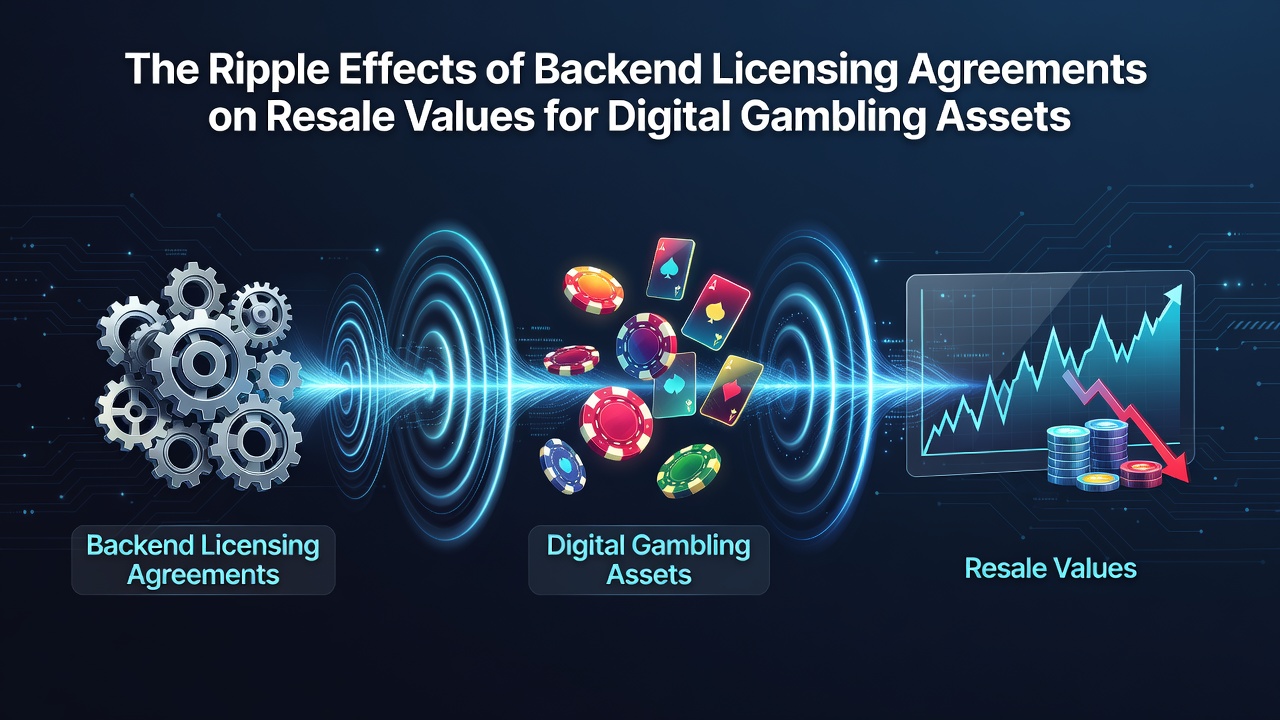
Backend Licensing Agreements: Shaping Resale Values in the Digital Gambling Sector
Backend licensing agreements form the invisible framework that supports digital gambling platforms, covering software providers, payment processors, and game content suppliers, and these contracts directly determine how much buyers will pay when assets change hands. Observers note that when a platform carries licenses allowing seamless transfer to new owners, resale values climb because acquirers avoid the expense and delay of securing fresh approvals from third-party vendors.
Many agreements contain clauses that restrict assignment or require vendor consent before ownership shifts, which creates friction during sales negotiations. Research indicates that platforms with non-transferable backend licenses often sell at discounts ranging from 15 to 35 percent compared to similar assets with clean transfer provisions, according to industry transaction analyses.
Transfer Restrictions and Market Liquidity
Payment processor licenses frequently tie accounts to the original entity, forcing new owners to reapply and rebuild compliance records that can take months to complete. Those who've studied platform exits find that buyers factor these timelines into offers, reducing bids when revenue streams risk interruption. Game provider contracts add another layer because some suppliers limit the number of active licenses per operator, leaving incoming owners to negotiate new terms or lose popular titles that drive player retention.
Software backend agreements sometimes include usage caps or per-user fees that reset upon ownership change, which alters projected margins and valuation models. Data from transaction databases shows that assets carrying such restrictions attract fewer serious bidders, extending time on market and pressuring sellers to accept lower prices to close deals.
Valuation Adjustments in Practice
Take one documented case where a turnkey casino site carried backend licenses from multiple game studios, yet only two of the five contracts permitted assignment without fresh due diligence. The final sale price reflected a 22 percent reduction after the buyer calculated licensing renewal costs and potential content gaps. Similar patterns appear across multiple deals tracked in 2025, where platforms with fully transferable backend rights consistently outperformed peers lacking those provisions.
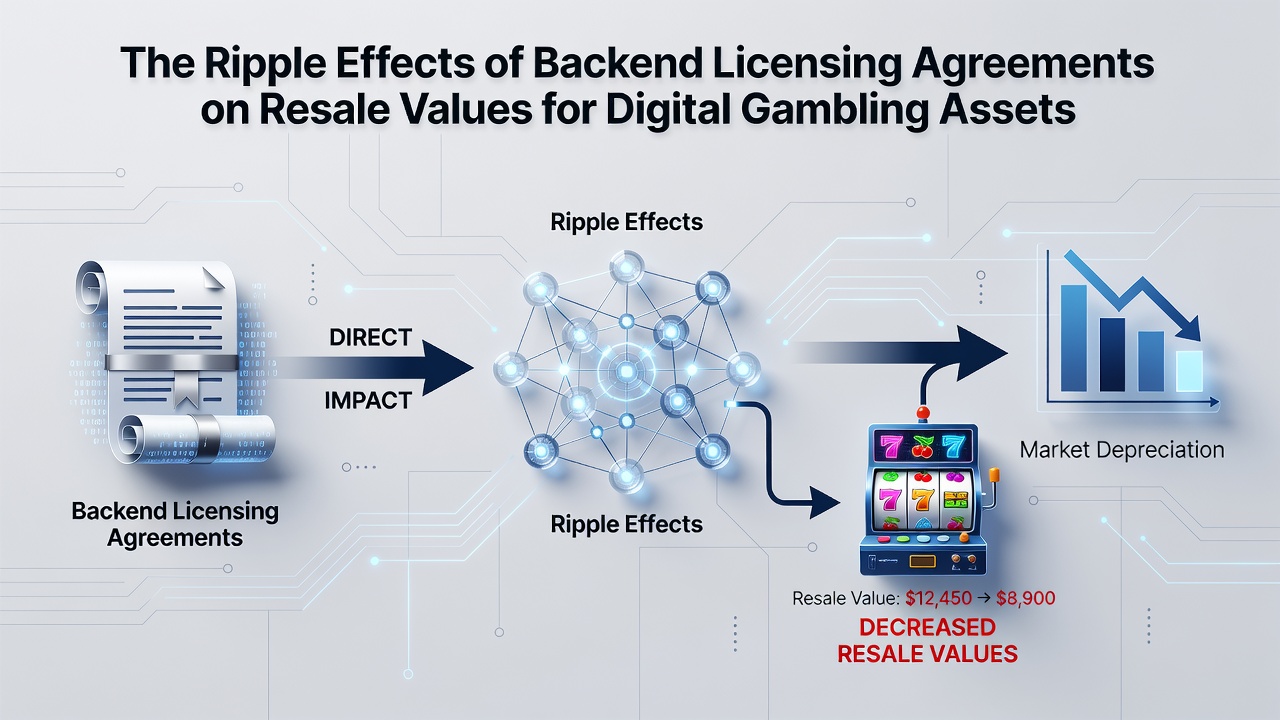
Regulatory shifts scheduled for August 2026 in several jurisdictions may further tighten assignment rules for certain payment and compliance modules, prompting current owners to review contract language ahead of anticipated sales. Those preparing exits now examine whether existing agreements will survive ownership transitions or require renegotiation that could erode asset appeal.
Buyer Due Diligence and Contract Audits
Acquirers increasingly commission detailed audits of backend licensing portfolios before submitting offers, focusing on change-of-control clauses and consent requirements. Figures from transaction advisors reveal that thorough reviews uncover hidden restrictions in roughly 40 percent of platforms listed for sale, leading to renegotiated terms or withdrawn bids. Sellers who proactively secure transfer approvals or obtain vendor letters of comfort often achieve faster closings and stronger valuations as a result.
Regional differences also surface because licensing norms vary across markets, with some areas allowing broader assignment rights while others enforce stricter controls tied to local compliance standards. Platforms operating across multiple regions face compounded complexity when licenses from different jurisdictions carry conflicting transfer conditions.
Long-Term Ripple Effects on Asset Portfolios
Over repeated sales cycles, platforms with restrictive backend agreements accumulate valuation discounts that compound, making them less attractive to institutional buyers who prioritize liquidity. Industry reports from the American Gaming Association highlight how standardized licensing frameworks in certain markets have supported higher average resale multiples by reducing transfer friction. In contrast, assets locked into rigid contracts trade at lower multiples because buyers must budget for parallel licensing efforts that delay revenue ramp-up.
Portfolio owners now track license transferability as a core metric alongside traffic and revenue data when assessing exit readiness. This focus has prompted some vendors to introduce transfer-friendly license tiers that carry modest premium fees yet improve downstream resale prospects.
Conclusion
Backend licensing agreements exert measurable influence on digital gambling asset resale values through transfer restrictions, consent requirements, and renewal obligations that buyers quantify during negotiations. Platforms carrying flexible licensing terms command premiums while those encumbered by rigid clauses experience discounts and extended sales cycles. As regulatory environments evolve into 2026, owners who audit and optimize their backend contracts position assets for stronger outcomes in future transactions, while market participants continue to refine valuation models around these hidden yet critical factors.