Player Database Quality and Its Direct Impact on Online Casino Asset Valuations
Willa Frank · Aug 15, 2026
Player Database Quality and Its Direct Impact on Online Casino Asset Valuations
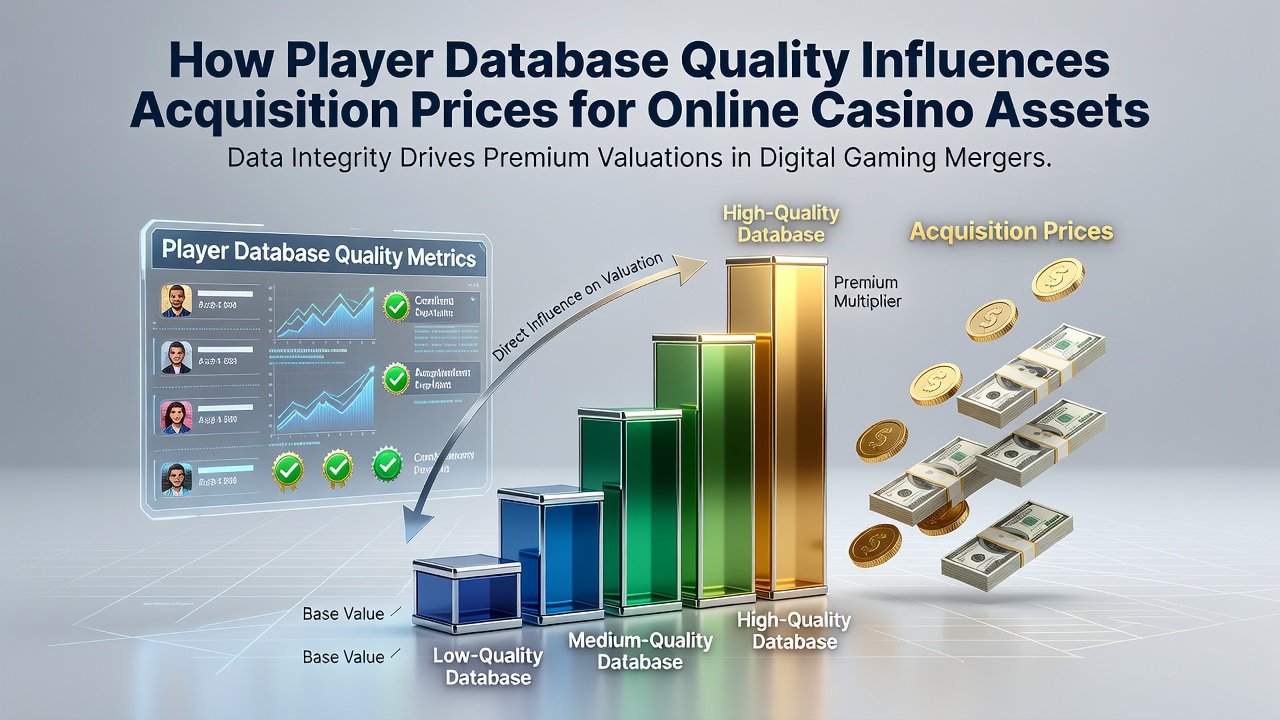
Data indicates that player database quality serves as a primary driver in determining acquisition prices for online casino assets, with metrics such as retention rates, demographic diversity, and compliance history directly shaping buyer offers. Observers note that platforms holding extensive, engaged user bases command premiums during transactions, while those with fragmented or low-activity records often see discounted valuations.
Core Elements Defining Database Quality
Researchers identify several measurable components that form the foundation of a high-value player database, including active user counts, average session duration, deposit frequency, and geographic distribution of players. Those who've studied transaction records find that databases with players from regulated markets tend to fetch higher prices because they reduce regulatory risks for new owners. And data shows that databases demonstrating consistent player lifetime value calculations attract institutional buyers who rely on predictable revenue streams.
Measurement Standards and Industry Benchmarks
Industry organizations track standardized metrics through third-party audits, where engagement scores and churn rates receive particular scrutiny during due diligence. Figures from recent market analyses reveal that a 20 percent increase in monthly active users can elevate asset prices by corresponding margins, provided the growth stems from organic channels rather than short-term promotions. What's interesting is how verification status plays a role, since databases with verified player identities command stronger valuations compared to those relying on unconfirmed accounts.
Influence on Pricing During Acquisitions
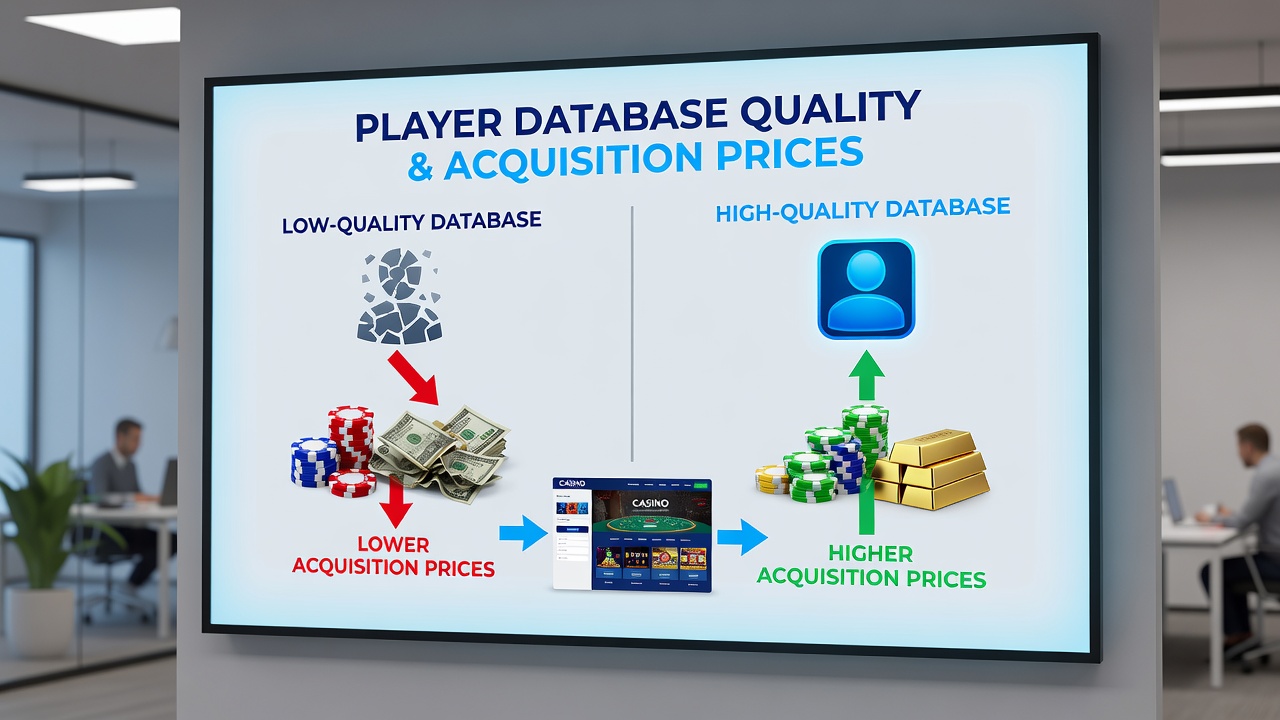
Buyers evaluate player databases as revenue-generating assets, where quality directly translates into projected cash flows and influences final negotiated prices. Evidence suggests that clean databases free from chargeback issues or disputed transactions accelerate deal closures and support premium pricing. Those who've examined completed sales note that platforms with strong retention data often secure 15 to 30 percent higher valuations than comparable assets with weaker engagement profiles.
Acquirers apply discounted cash flow models that incorporate historical player behavior, and databases showing seasonal stability receive more favorable terms. But here's the thing: sudden spikes in inactive accounts can trigger price adjustments as buyers factor in reactivation costs.
Regional Variations in Valuation Approaches
Regulatory environments across different jurisdictions create distinct valuation patterns, with data from the Nevada Gaming Control Board highlighting how licensed databases in mature markets maintain steadier price floors. Meanwhile, reports from the Australian Gambling Research Centre indicate that databases serving multiple territories require additional compliance layers that can either enhance or constrain sale prices depending on documentation quality. Observers note that cross-border player pools sometimes achieve higher multiples when they demonstrate balanced geographic spread and minimal concentration risk.
Transaction Patterns Observed Through 2026
In August 2026, transaction records showed continued emphasis on database segmentation, where buyers prioritized platforms with detailed player cohorts over sheer volume alone. Research indicates that assets featuring high-value VIP segments consistently outperformed general-market platforms in bidding wars. Those who've tracked deal flows find that transparent data room presentations on player acquisition costs and lifetime value metrics shorten negotiation timelines and stabilize final prices.
Conclusion
Database quality metrics continue to function as central valuation tools across online casino asset transactions, with measurable factors such as retention, compliance, and engagement driving price outcomes. Market participants rely on audited figures and third-party verification to establish fair values, and patterns from recent sales confirm that superior databases deliver measurable advantages during acquisitions. As regulatory standards evolve, the connection between data quality and asset pricing remains a consistent factor in deal structures.