Revenue Streams Behind the Transfer of Established Online Gaming Portfolios
Nils Keller · Sep 17, 2026
Revenue Streams Behind the Transfer of Established Online Gaming Portfolios
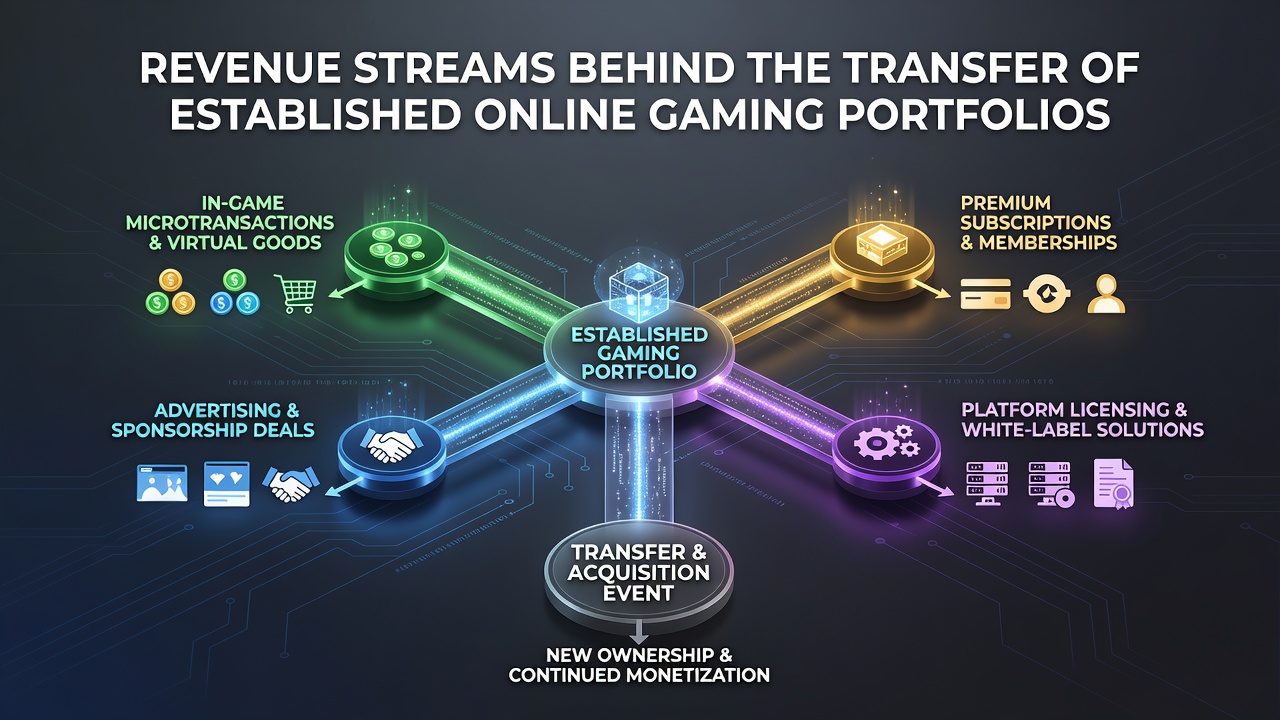
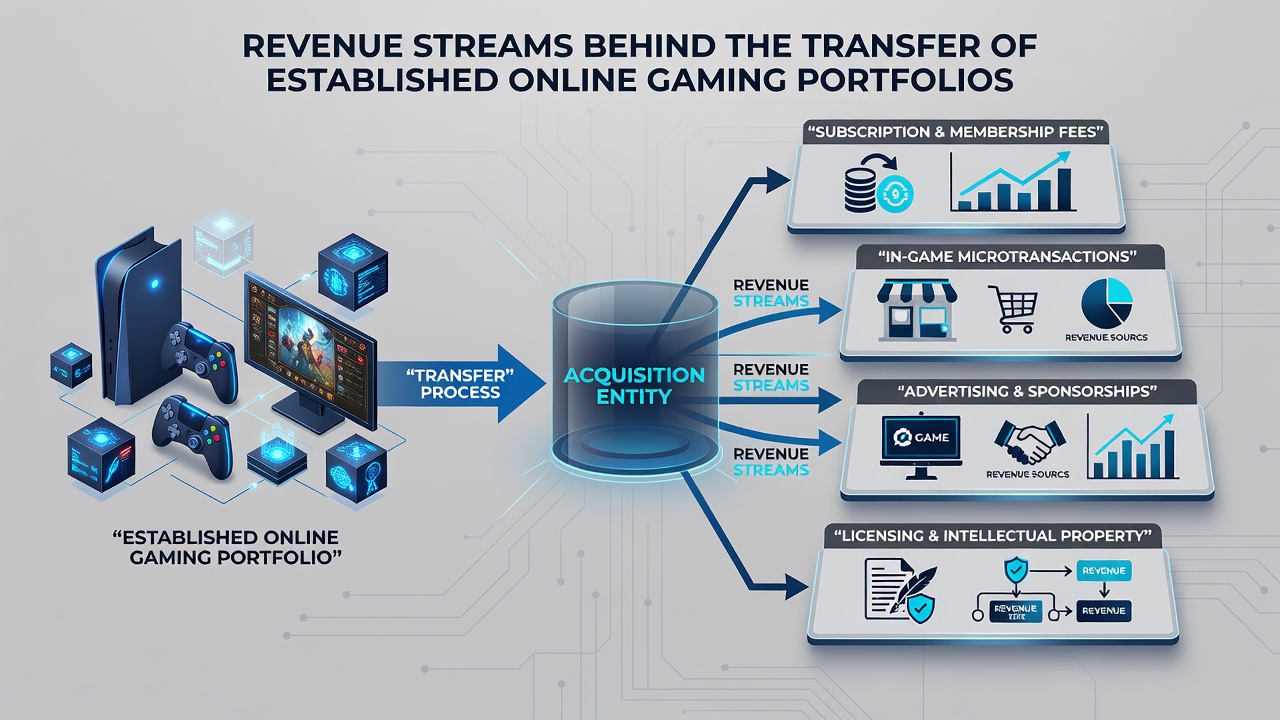
Established online gaming portfolios generate income through multiple channels that directly influence their market value during transfers, and buyers examine these streams closely before completing acquisitions. Subscription models provide recurring revenue from premium access features while in-app purchases deliver one-time or repeat spending from virtual goods and enhancements. Advertising partnerships add another layer as developers integrate branded content without disrupting core gameplay mechanics.
Data from industry analyses show that mature portfolios often derive 40 to 60 percent of total earnings from player engagement metrics tied to these sources. Transaction records indicate that portfolios with diversified streams command higher multiples during sales because they demonstrate resilience against fluctuations in any single category. Observers note that platforms balancing direct monetization with ancillary income maintain steadier cash flows which appeals to institutional purchasers.
Core Monetization Channels in Portfolio Valuations
Direct player spending forms the foundation for most established portfolios and includes deposits linked to real-money wagering alongside free-to-play conversions. Research from the American Gaming Association highlights how these streams scale with user retention rates and average revenue per user calculations. Buyers review historical transaction data to project future performance and adjust offer prices accordingly.
Advertising revenue operates through integrated networks that place promotions within games or on associated sites, and figures reveal this channel contributes between 15 and 25 percent of income in many mature assets. Licensing agreements for intellectual property or white-label solutions further expand earnings by allowing third parties to operate under established brands. Those reviewing transfer agreements often calculate the net present value of these contracts to determine overall portfolio worth.
Secondary Income Sources and Their Impact
Merchandise sales and esports event tie-ins generate supplementary revenue that can stabilize portfolios during periods of regulatory change or market shifts. Studies from the University of Nevada, Las Vegas gaming research center indicate that portfolios incorporating these elements achieve more predictable quarterly results which supports smoother ownership transitions. Affiliate networks connected to gaming sites also funnel commissions from referred traffic and add measurable value in due diligence processes.
Analytics and data services sold to other operators represent an emerging stream where established portfolios monetize user behavior insights while maintaining compliance standards. In September 2026 market updates from various regional bodies showed increased interest in such data-driven assets as buyers seek competitive advantages post-acquisition. Portfolios with robust backend tracking systems often include these capabilities in transfer negotiations because they enable new owners to optimize operations quickly.
Valuation Adjustments Based on Revenue Stability
Acquirers apply discounts or premiums depending on the concentration of revenue within particular streams and the geographic distribution of users. Portfolios reliant on a single jurisdiction face higher scrutiny because regulatory adjustments can affect multiple income lines simultaneously. Reports from the Australian Communications and Media Authority document how diversified international user bases correlate with stronger transfer outcomes in recent years.
Long-term contracts with payment processors and advertising partners receive particular attention during audits because they lock in predictable inflows that support debt financing for acquisitions. Experts reviewing completed deals observe that portfolios demonstrating consistent year-over-year growth across at least three distinct streams achieve faster closings and fewer post-sale disputes. Financial models used in these transactions incorporate sensitivity analyses that test each revenue category against potential market disruptions.
Regulatory and Market Influences on Revenue Transfers
Compliance frameworks across different regions shape which revenue streams remain viable after ownership changes and buyers verify that all licensing requirements transfer without interruption. Data from government agencies in multiple jurisdictions show that portfolios with clean regulatory histories command premium pricing because they reduce integration risks. Observers note that revenue recognition practices must align with new ownership structures to avoid reporting inconsistencies that could delay final payments.
Market trends toward mobile-first experiences continue to shift emphasis among revenue channels as engagement patterns evolve and established portfolios adapt their offerings accordingly. Transfer agreements increasingly include earn-out provisions tied to post-sale performance of specific streams which aligns seller and buyer incentives over extended periods. Those facilitating such deals examine historical performance metrics to set realistic benchmarks for these contingent payments.
Conclusion
Revenue streams in established online gaming portfolios determine transfer values through measurable contributions from subscriptions, direct spending, advertising, and ancillary services. Comprehensive reviews of these channels allow buyers and sellers to reach agreements grounded in documented performance data. Ongoing market developments will continue to influence how these streams factor into future portfolio transfers across global markets.