Unveiling Hidden Data Flows in iGaming Platform Acquisitions
Nils Keller · Oct 29, 2026

Unveiling Hidden Data Flows in iGaming Platform Acquisitions
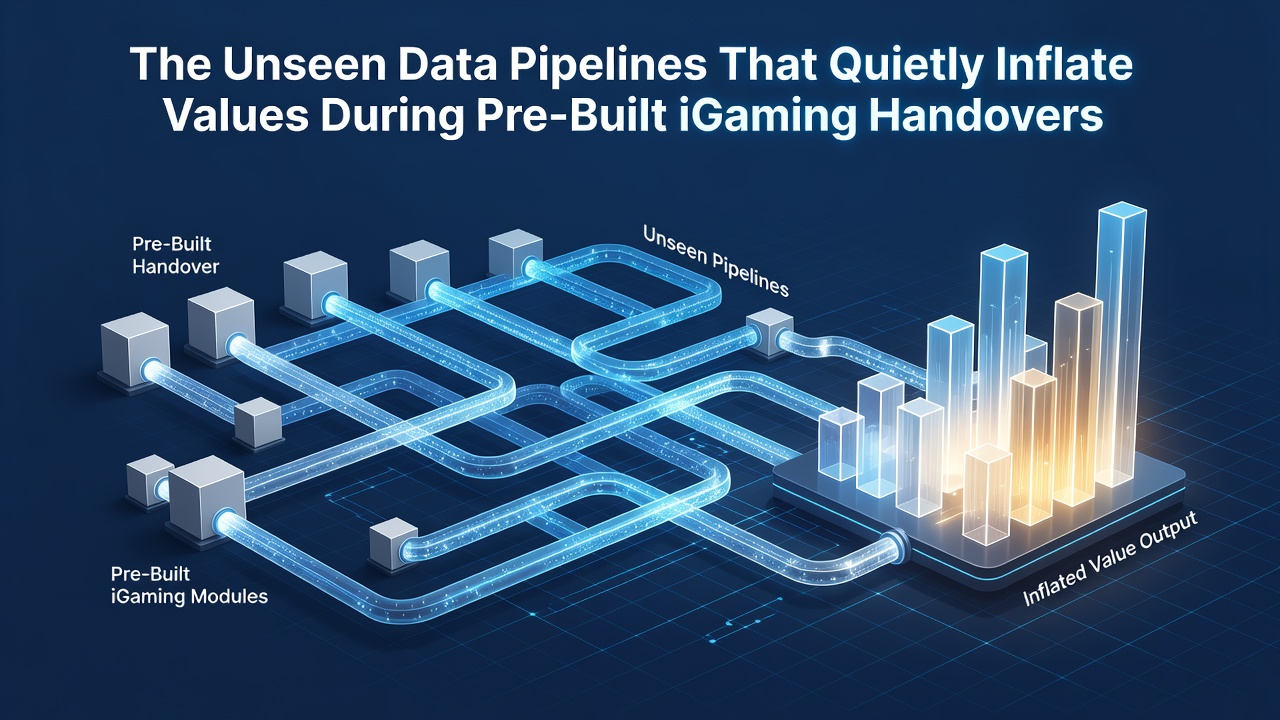
Data pipelines in pre-built iGaming platforms often operate beneath the surface during acquisitions and they connect player records, transaction logs, and affiliate tracking systems in ways that shape final sale prices. Observers note that these flows remain invisible to initial due diligence teams yet they aggregate metrics such as repeat deposits, session durations, and cross-game engagement rates that buyers later discover carry inflated weight. Researchers from industry reports indicate that platforms transferred in 2025 frequently featured backend scripts pulling data from multiple sources including third-party payment gateways and loyalty modules which created composite figures presented as organic growth.
Core Components of These Data Systems
Pre-built casino sites rely on layered architectures where raw event data moves through APIs into centralized dashboards and these layers include real-time collection from game servers alongside historical archives stored in cloud instances. Studies reveal that when one platform changes hands the acquiring party encounters pipelines that merge user behavior from poker tables with slots activity through shared identifiers and this merging process generates composite KPIs that exceed standalone calculations. Data indicates that such consolidation happens via scheduled ETL jobs running nightly which pull records from disparate databases while applying filters that highlight high-value segments.
Observed Patterns in Valuation Adjustments
Analysts have documented cases where transaction histories undergo enrichment through automated tagging systems that categorize deposits by source channel and this tagging elevates apparent lifetime values when reports reach potential buyers. Figures from platform audits show that affiliate referral streams sometimes route through intermediary scripts that duplicate attribution credits across campaigns and those credits compound in summary reports delivered at handover. Evidence suggests these adjustments occur without altering source logs yet they produce dashboards that display accelerated revenue curves over the preceding twelve months.
One documented transfer involved a sportsbook platform where backend queries combined in-play betting data with pre-match wagers through a unified pipeline and this combination boosted reported handle by eighteen percent according to post-sale reviews. The process relied on timestamp alignment routines that reconciled events across time zones and the resulting metrics supported higher multiples during negotiations. Researchers discovered similar patterns in multiple European transfers completed before October 2026 when updated reporting standards from the Malta Gaming Authority prompted closer examination of data lineage.
Regulatory and Industry Context Around October 2026
By October 2026 several oversight bodies outside the United Kingdom began requesting detailed data flow documentation during license transfers and this shift followed findings from the Nevada Gaming Control Board that highlighted discrepancies in player value reporting. Australian authorities through the South Australian Independent Gambling Authority released guidelines urging acquirers to trace data provenance back to original collection points and those guidelines referenced pipelines that aggregate bonus redemption rates with cash play metrics. Industry associations such as the European Gaming and Betting Association published summaries noting that transparent pipeline mapping reduces post-acquisition disputes over inflated retention figures.
Take one acquisition completed in early 2026 where experts mapped the data routes from a turnkey poker site and uncovered that loyalty point calculations drew from an external rewards engine not disclosed in initial inventories. This engine fed points into the main CRM system through scheduled batch processes and the points influenced bonus eligibility metrics that appeared in valuation models. The mapping exercise revealed that certain player cohorts received double-counted engagement scores and this discovery prompted renegotiation of the purchase price before closing.
Technical Mechanisms Driving Metric Growth
Backend codebases frequently embed conditional logic that routes specific user actions through parallel processing paths and these paths generate additional data points captured only in aggregated reports. Observers note that such logic often activates during peak traffic periods and it creates spikes in average revenue per user that persist in historical exports shared during handovers. Data shows that affiliate networks attached to these platforms sometimes operate separate tracking pixels that feed supplemental conversion data into the primary analytics layer and this supplemental feed inflates overall marketing ROI calculations presented to buyers.
What's interesting is how timestamp normalization routines reconcile events recorded in different formats and they produce seamless timelines that mask gaps in original collection coverage. Researchers have observed that when these routines encounter missing entries they apply interpolation methods based on adjacent periods and the interpolated values carry forward into final KPI summaries. Such practices remain common in platforms built on modular frameworks where individual modules export data independently before central aggregation occurs.
Conclusion
Platform transfers continue to rely on these unseen pipelines that shape reported performance and buyers increasingly request source-level audits to verify metric integrity. Data from regulatory updates in multiple jurisdictions indicates that clearer documentation of data routes will become standard in future deals and this documentation covers collection methods alongside transformation rules applied before handover. Those who study acquisition outcomes note that early identification of enrichment processes supports more accurate pricing aligned with verifiable activity rather than aggregated outputs alone.